Cornish, Utah: Quiet Country Living on the Northern Horizon
About the Area
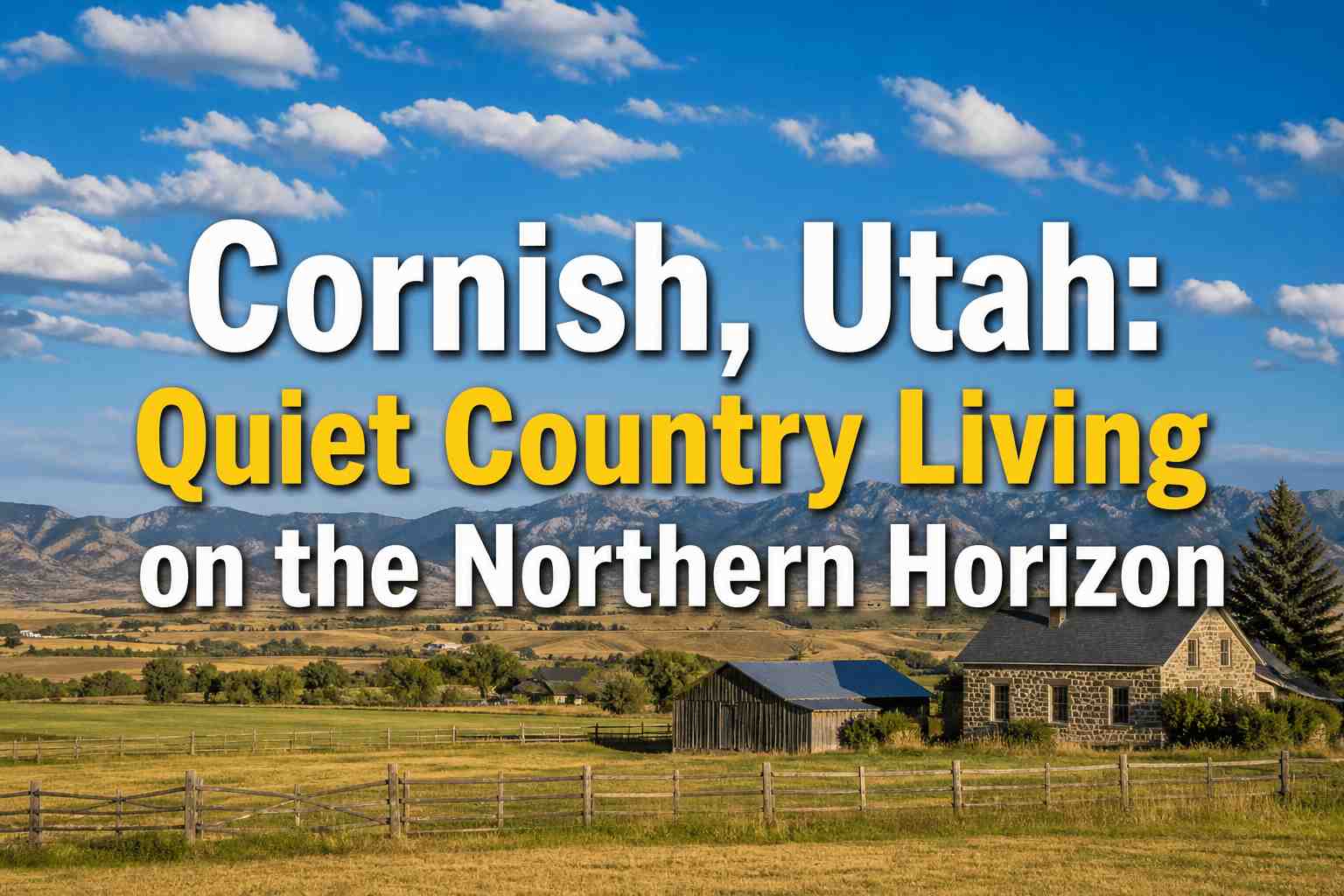
If you travel as far north as you can go in Utah’s beautiful Cache Valley, just before crossing into Idaho, you will find Cornish, Utah. Settled quietly along the state line, Cornish is a tranquil agricultural community where the sky feels vast, the air is clean, and the pace of life slows down to a comfortable, rustic rhythm.
With its sprawling farmlands, historic family homesteads, and unobstructed views of the surrounding mountain ranges, Cornish offers a pure slice of classic country living. It is the kind of place where farming is not just an occupation – it is the foundation of the community’s heritage and daily lifestyle.
Wide Open Spaces on the Border
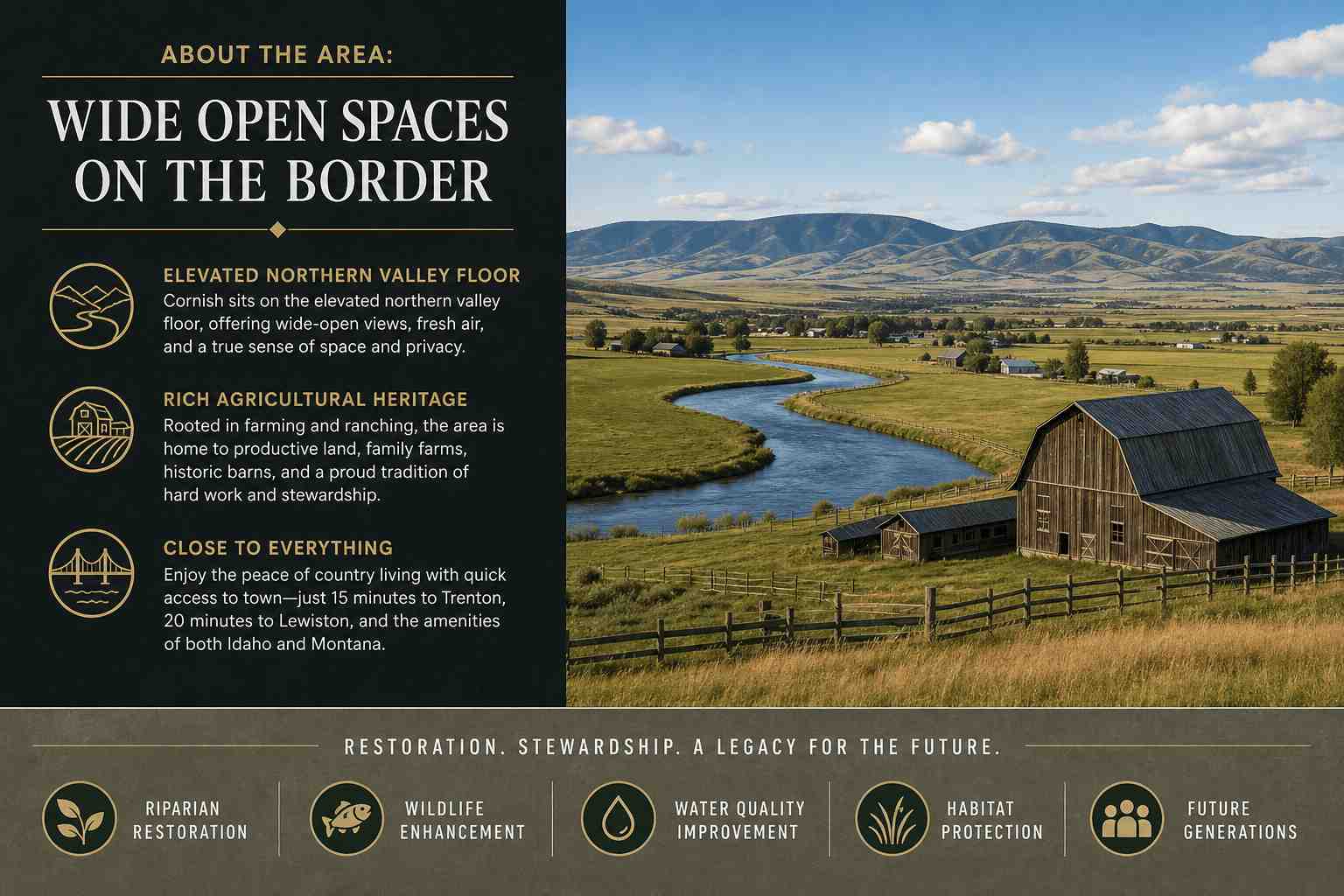
Cornish sits on a scenic, elevated patch of the northern valley floor, situated just four miles north of its sister agricultural communities, Trenton and Lewiston. Historically named in the early 20th century after William D. Cornish, a vice president of the Union Pacific Railroad, the town has proudly kept its quiet, rural identity intact for generations.
Unlike the denser suburban pockets of southern Cache County, Cornish is characterized by wide-open spaces. Large family farms, historic wooden barns, and homes with generous acreage define the landscape. Residents here enjoy unmatched privacy and a deep connection to nature, with the majestic Bear River looping nearby and the rugged peaks of the Wellsville Mountains framing the western horizon.
Local Attractions and Nearby Destinations
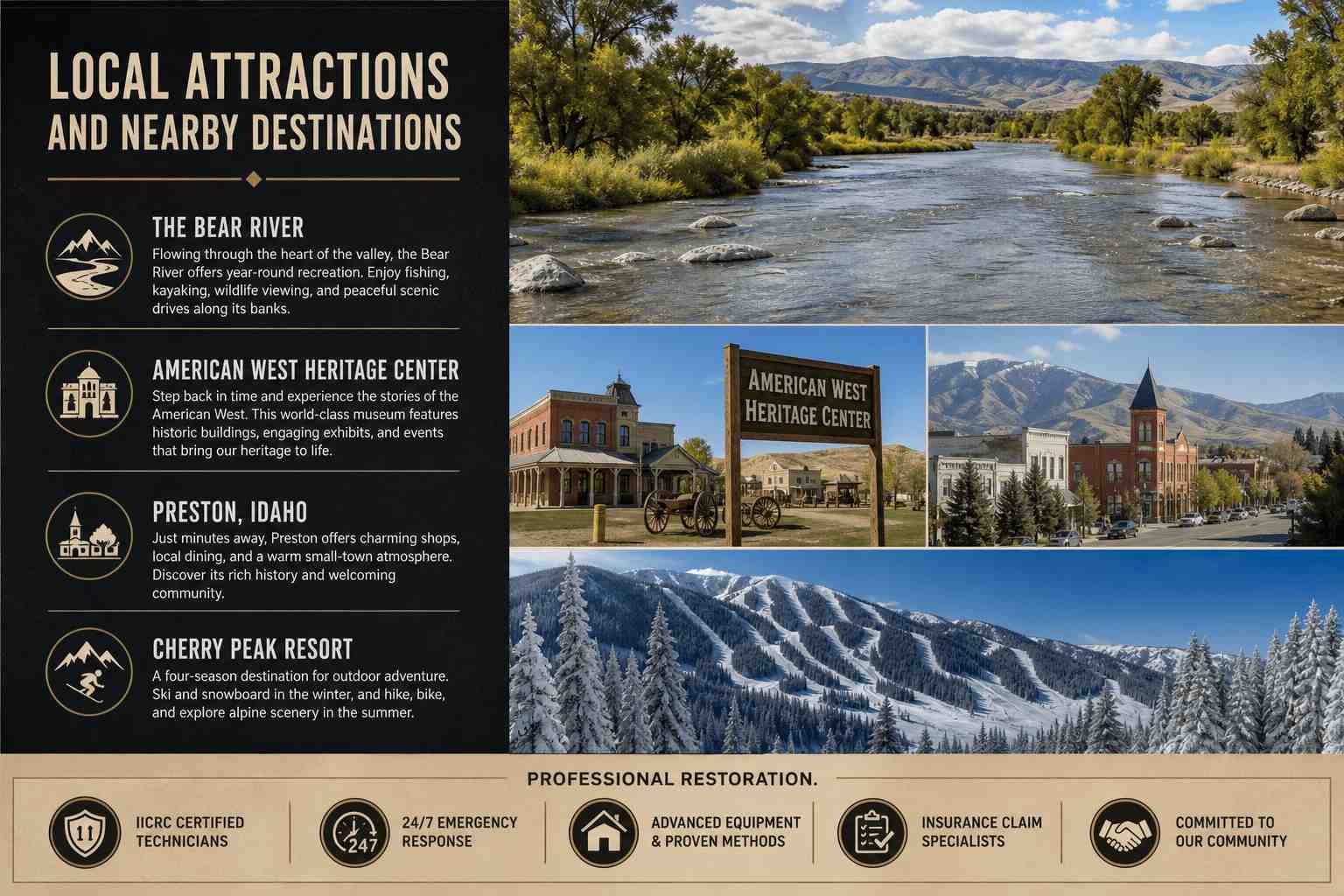
While Cornish itself is a peaceful haven free of commercial strip malls and heavy traffic, it is surrounded by incredible natural and historic attractions:
- The Bear River: Winding its way through the northern valley, the Bear River is a scenic focal point for local fishing, birdwatching, and quiet walks along the water.
- The American West Heritage Center: Located a short drive south in Wellsville, this living-history museum showcases the early pioneer lifestyle, helping families connect with the region’s agricultural roots.
- Preston, Idaho: Just minutes across the state line, Preston offers convenient access to local dining, grocery shopping, and community events (including sights made famous by the cult-classic film Napoleon Dynamite).
- Cherry Peak Resort: Located just across the valley in Richmond, this close-to-home resort provides skiing, snowboarding, and summer concerts for outdoor enthusiasts of all ages.
Seasonal Changes and the Rural Lifestyle
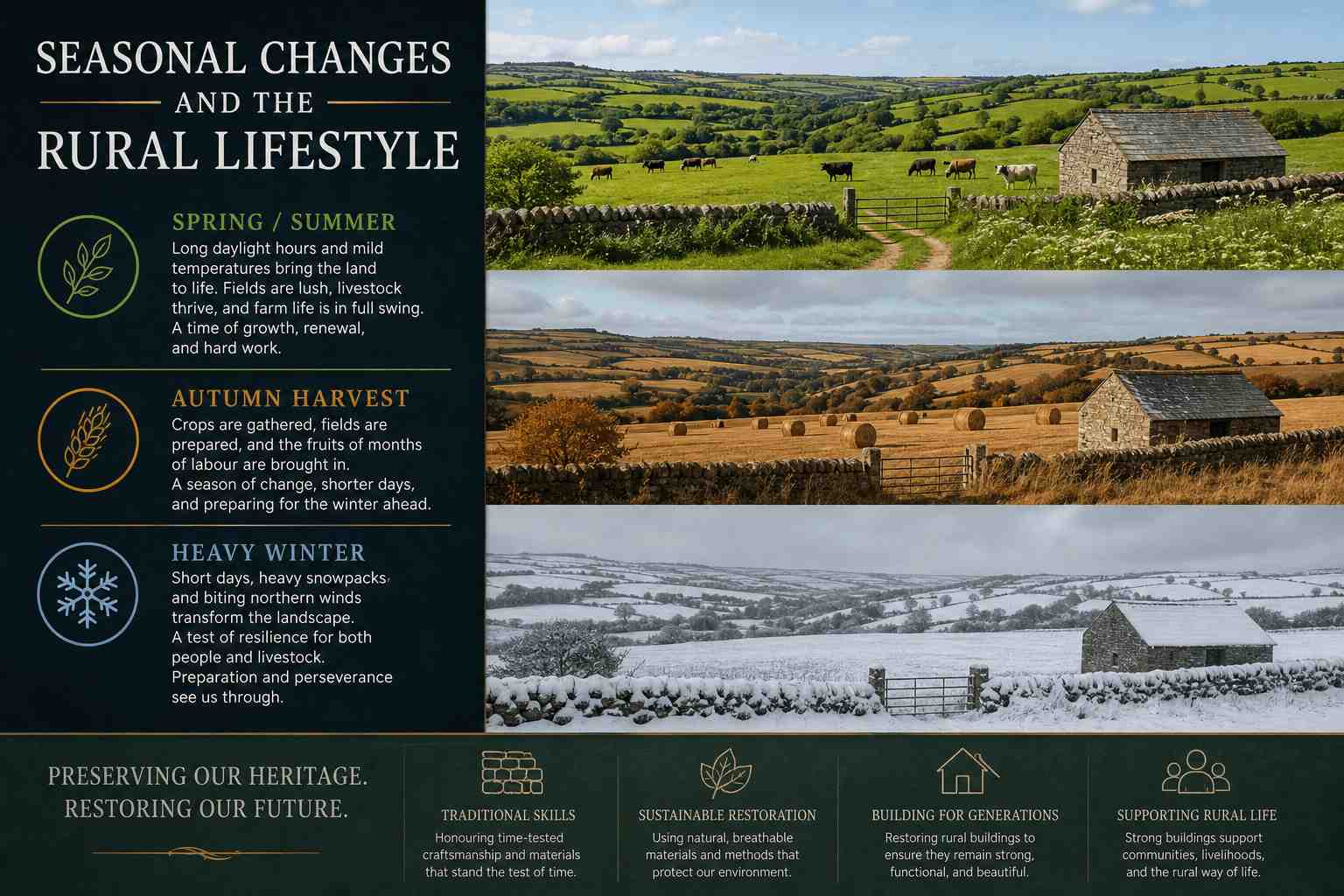
Life in Cornish is intimately tied to the shifting seasons of northern Utah. The landscape transforms dramatically throughout the year, bringing both beauty and unique seasonal demands:
- Spring & Summer: The valley erupts in brilliant greens and golds. Farmers spend long, sun-drenched days planting and harvesting crops, while families enjoy outdoor barbecues and stargazing under the dark, unpolluted night skies.
- Autumn: Crisp mountain air rolls in, turning the brush on the foothills vibrant shades of amber and red. This is a busy harvesting period as locals prepare their lands for the incoming cold.
- Winter: Winter in Cornish is beautiful but rugged. Sitting right in the path of cold northern weather systems, the town receives heavy snowpack and strong, biting winds. The landscape falls into a quiet, snow-blanketed sleep, and locals head to the cozy warmth of their wood-burning stoves.
The Realities of Rural Property Care in Northern Utah
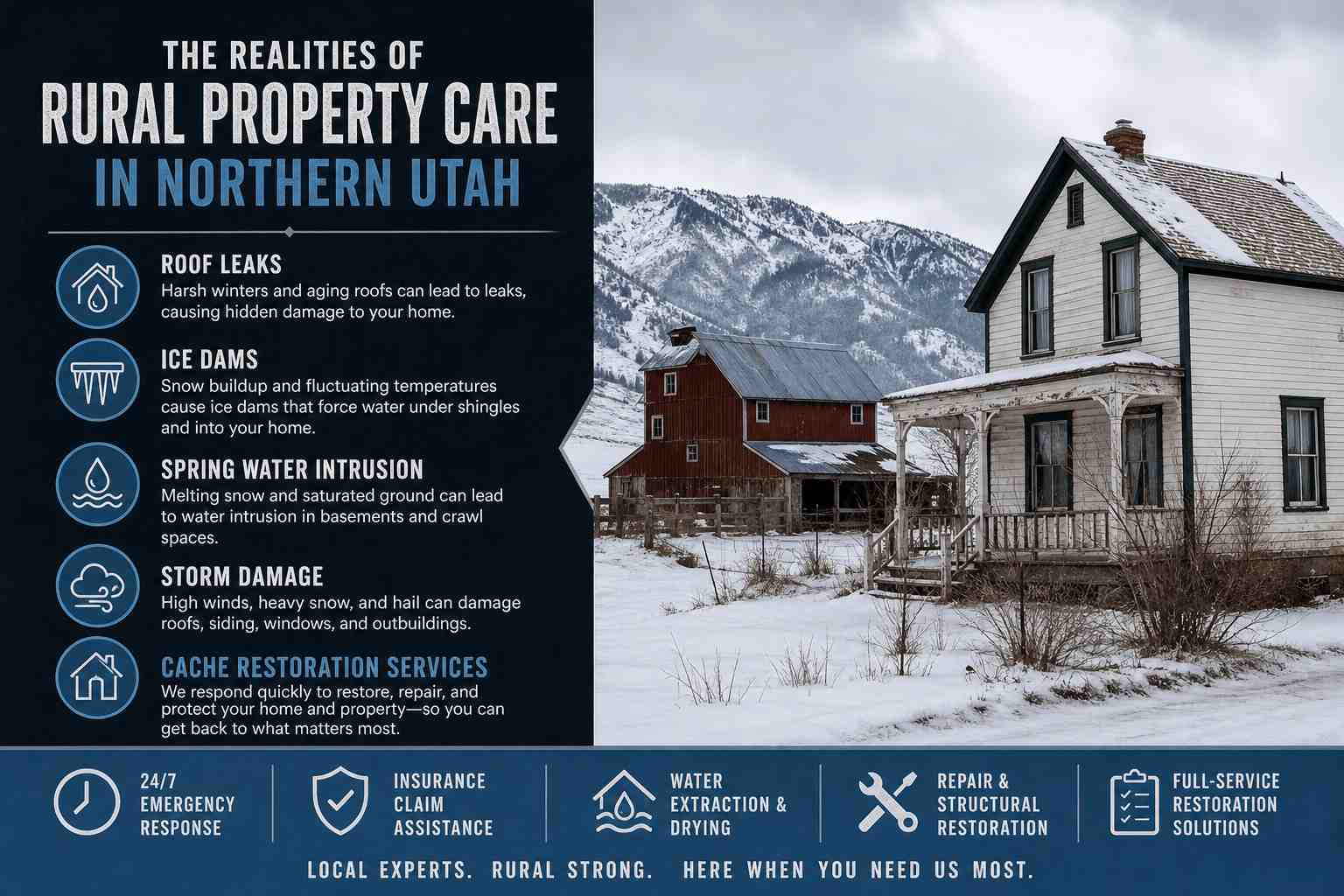
While the country living in Cornish offers unparalleled peace, maintaining rural properties, historic farmhouses, and active agricultural buildings through Utah’s extreme weather requires a lot of hard work.
Between freezing winter snowpacks, strong northern winds, and heavy spring thaws, local structures face real physical stress. Homeowners and farmers frequently have to manage several localized property challenges:
- Roof Leaks & Ice Dams: Heavy snow accumulating on large barn roofs and complex farmhouse rooflines can lead to ice damming. As snow melts and refreezes at the eaves, water can back up under shingles, causing hidden attic leaks and ceiling damage.
- Spring Water Intrusion: When the winter snow melts rapidly in the spring, the surrounding agricultural fields can saturate, leading to water pooling around foundations, flooding older cellar basements, and causing moisture problems in dirt crawl spaces.
- Storm and Wind Damage: High winds sweeping across the open northern plains can easily loosen metal barn siding, tear away roof shingles, or down old trees.
When water, storm, or mold damage threatens the structures that keep your family and livelihood safe, having a fast, reliable local partner makes all the difference. Cache Restoration is proud to support the Cornish community, offering professional water damage cleanup, mold remediation, and storm damage repairs. Their team understands the unique needs of agricultural properties and historic homes, working quickly and respectfully to restore your property to its best condition.
Helpful Tips for Cornish Residents and Landowners
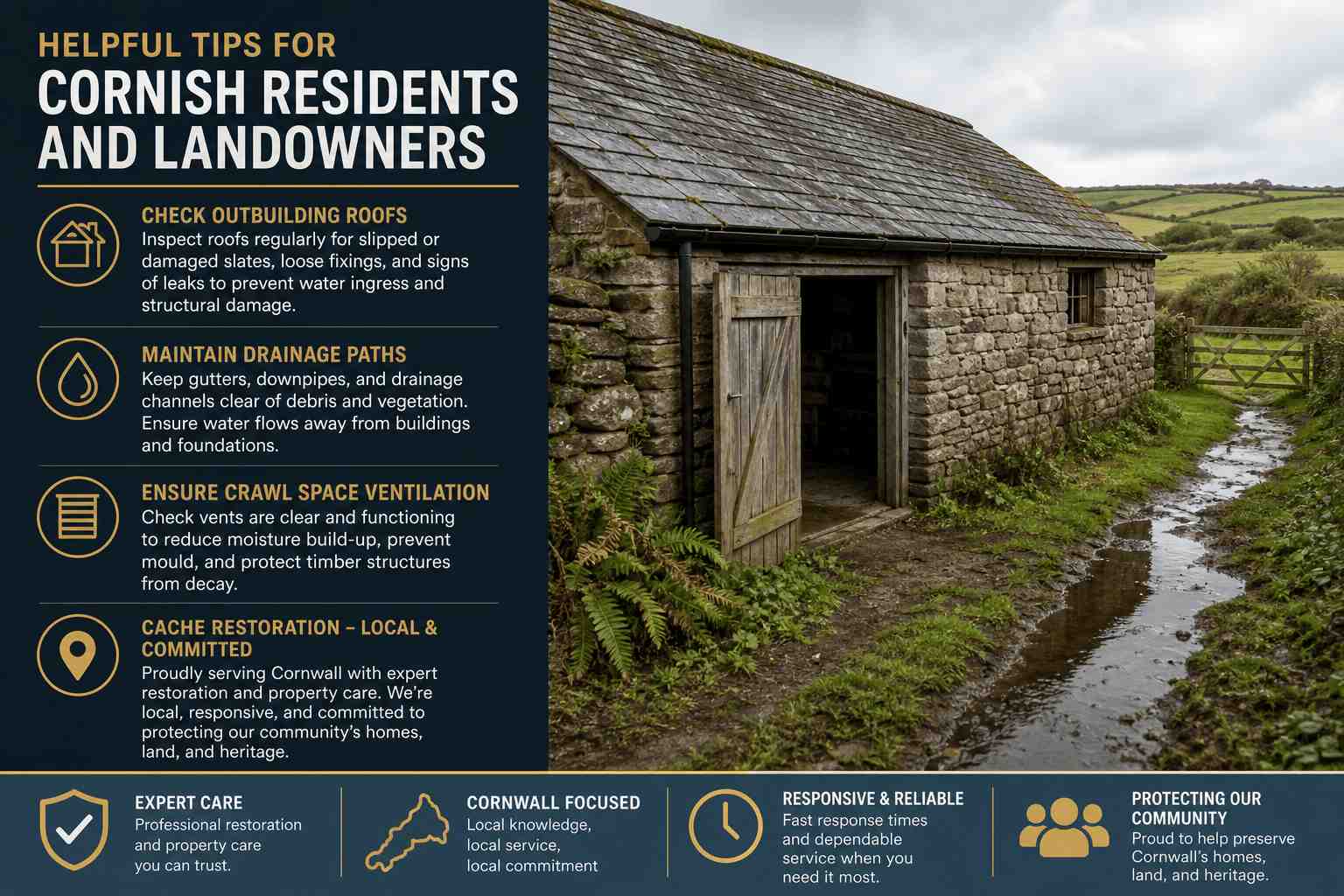
If you own a home, historic structure, or agricultural property in Cornish, taking preventative steps can protect your investments from seasonal damage:
- Inspect Barn and Outbuilding Roofs: Before the first winter snow hits, check your outbuildings for loose metal panels, damaged shingles, or compromised structural beams that might struggle under a heavy snow load.
- Maintain Clear Drainage Paths: Ensure that soil slopes away from your home and barn foundations. Keep drainage ditches and culverts free of debris so spring snowmelt has a clear path to run off.
- Ventilate Crawl Spaces: Older farmhouses often have crawl spaces that trap moisture during the damp spring and humid summer months. Ensure these spaces have functional vents to prevent the wood rot and mold growth that can weaken floor joists.
A Resilient Border Community
From its pristine open farmlands to its beautiful, quiet horizons, Cornish, Utah is a special corner of Cache Valley. It is a place built on the values of hard work, self-reliance, and a deep appreciation for the land.
No matter what the changing northern Utah weather brings across the state line, the residents of Cornish meet it with resilience and neighborly care. If the elements ever cause unexpected property headaches, remember that Cache Restoration is always nearby, dedicated to keeping the homes, historic barns, and family properties of Cornish safe, dry, and strong for years to come.
Frequently Asked Questions
Where is Cornish, Utah located?
Cornish is situated at the northernmost border of Cache County, Utah, directly along the Idaho state line, approximately 4 miles north of Lewiston and Trenton and 22 miles north of Logan.
What is Cornish, Utah best known for?
Cornish is known for its peaceful rural lifestyle, sprawling agricultural farmlands, historic family homesteads, open horizons, and direct access to the Bear River corridor.
What services and destinations are close to Cornish?
Residents enjoy proximity to the Bear River for fishing and birdwatching, local dining and retail in neighboring Preston, Idaho, skiing at Cherry Peak Resort in Richmond, and living history exhibits at the American West Heritage Center in Wellsville.
How do severe northern Utah winters affect historic farmhouses and barns in Cornish?
Heavy snowfall and freezing winds can form thick ice dams along complex farmhouse rooflines, forcing meltwater beneath shingles. Large barn roofs and outbuildings also face structural stress under heavy snowpack and wind loads.
How can rural property owners in Cornish protect foundations and crawl spaces from spring runoff?
Homeowners should grade soil to slope away from foundations, clear drainage ditches and culverts before March, maintain functional crawl space ventilation to prevent moisture buildup, and inspect sumps in cellar basements.
Who provides reliable storm, water, and mold restoration in Cornish, UT?
Cache Restoration proudly serves homeowners, farmers, and agricultural property owners in Cornish and throughout northern Cache Valley, offering 24/7 emergency water extraction, structural drying, wind/storm damage repairs, and mold remediation.