
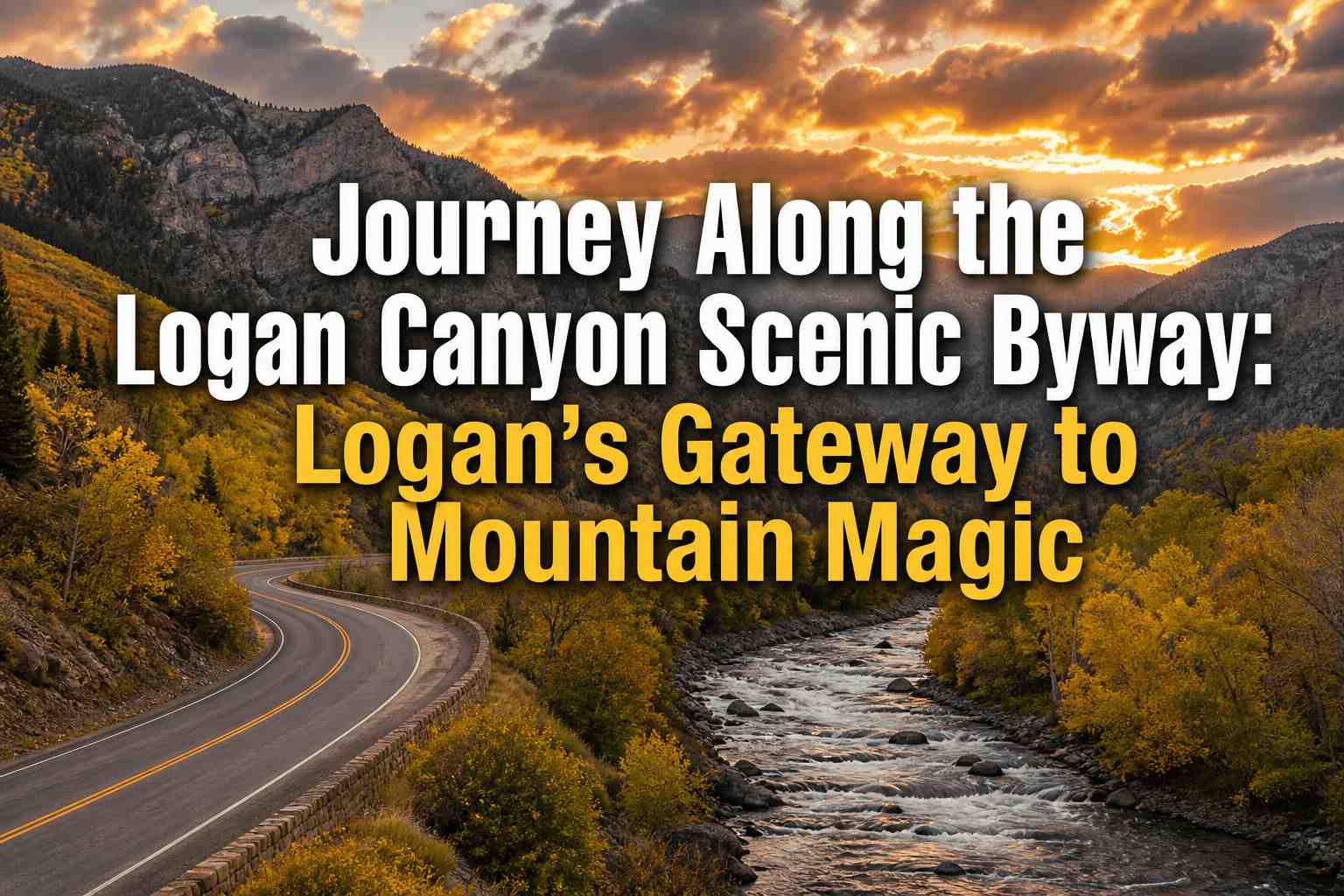
Journey Along the Logan Canyon Scenic Byway: Logan’s Gateway to Mountain Magic
About the Area
If you head east from the heart of downtown Logan, Utah, the city landscape quickly fades into one of the most breathtaking mountain passages in the American West. The Logan Canyon Scenic Byway (U.S. Highway 89) is a premier national scenic byway stretching 41 miles through the Wasatch-Cache National Forest.
For Logan residents and travelers alike, this route is much more than a road to get from point A to point B. It is a spectacular natural corridor that offers instant access to rugged limestone cliffs, deep evergreen forests, peaceful campgrounds, and some of the best outdoor recreation in Northern Utah.
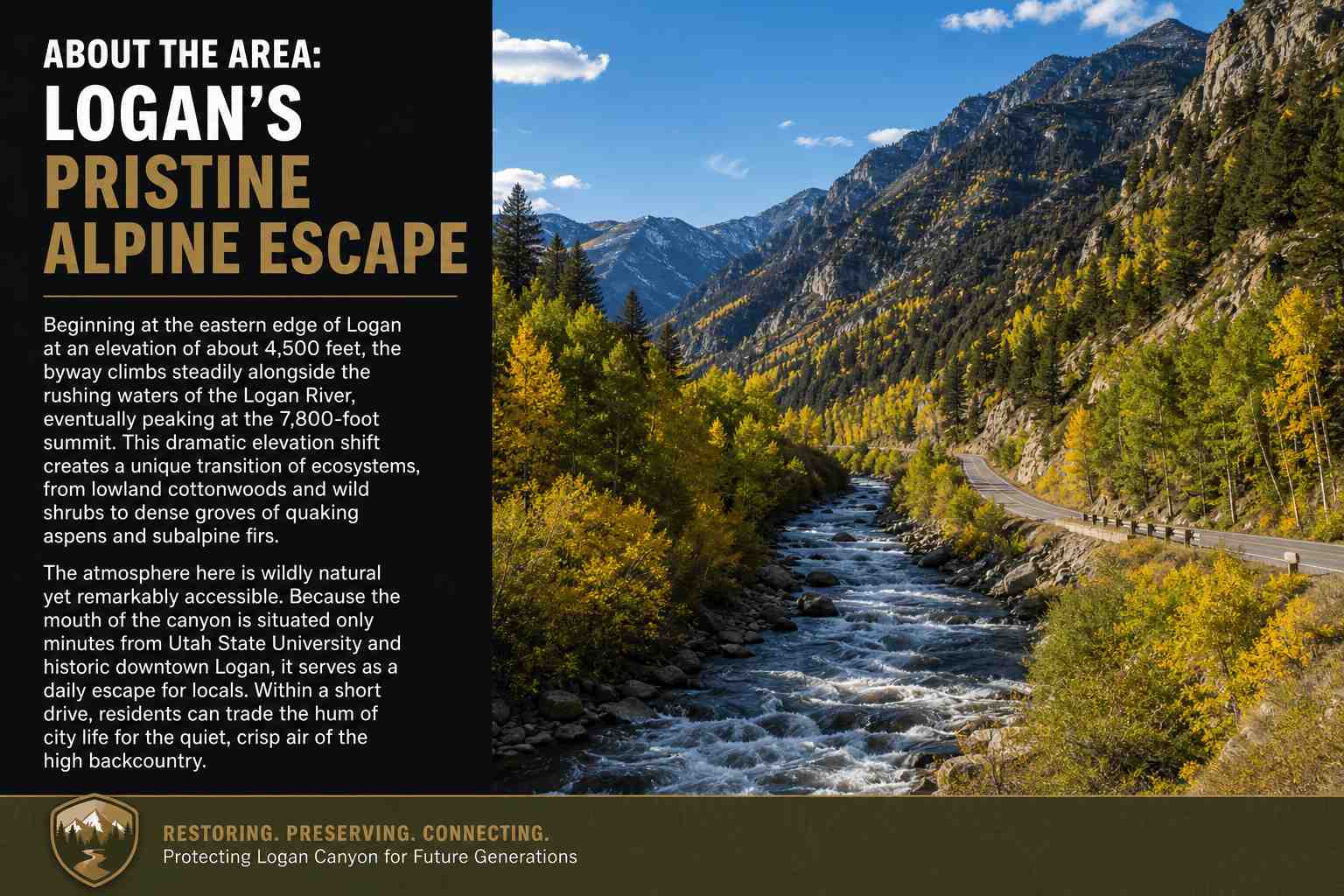
Logan’s Pristine Alpine Escape
Beginning at the eastern edge of Logan at an elevation of about 4,500 feet, the byway climbs steadily alongside the rushing waters of the Logan River, eventually peaking at the 7,800-foot summit. This dramatic elevation shift creates a unique transition of ecosystems, from lowland cottonwoods and wild shrubs to dense groves of quaking aspens and subalpine firs.
The atmosphere here is wildly natural yet remarkably accessible. Because the mouth of the canyon is situated only minutes from Utah State University and historic downtown Logan, it serves as a daily escape for locals. Within a short drive, residents can trade the hum of city life for the quiet, crisp air of the high backcountry.
Legendary Attractions and Mountain Destinations
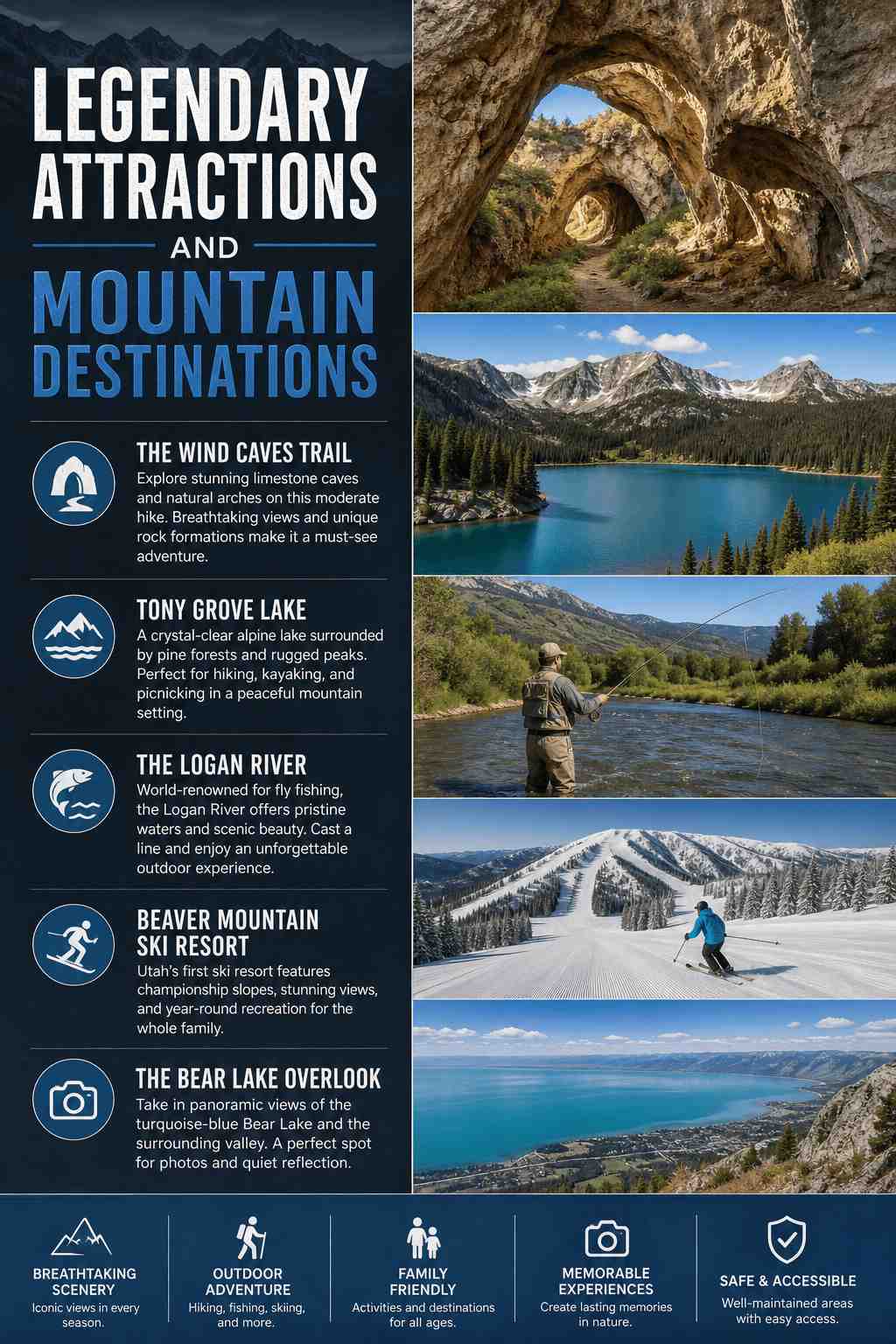
Every mile of the Logan Canyon Scenic Byway reveals a new trailhead, a scenic overlook, or a geological wonder. Some of the most beloved stops include:
- The Wind Caves Trail: One of the most popular hikes in Northern Utah. A steady, family-friendly climb leads hikers to a series of stunning natural limestone arches and caves carved into the canyon wall, offering spectacular views of the gorge below.
- Tony Grove Lake: Tucked away on a seven-mile paved spur road off the main highway, this glacial lake sits in a beautiful alpine basin. It is famous for its vibrant summer wildflowers, peaceful canoeing, and rustic campsites.
- The Logan River: Flowing directly alongside the byway, this clear mountain river is highly prized by fly fishermen seeking wild brown, rainbow, and cutthroat trout.
- Beaver Mountain Ski Resort: Located near the top of the canyon, “The Beav” is a beloved, family-owned ski resort that has offered some of the best powder skiing in Northern Utah since 1939.
- The Bear Lake Overlook: At the summit of the byway, the trees part to reveal a sweeping, panoramic view of Bear Lake’s famous turquoise-blue waters, signaling the end of the canyon and the gateway to summer lake fun.
Seasonal Changes and the Canyon Lifestyle
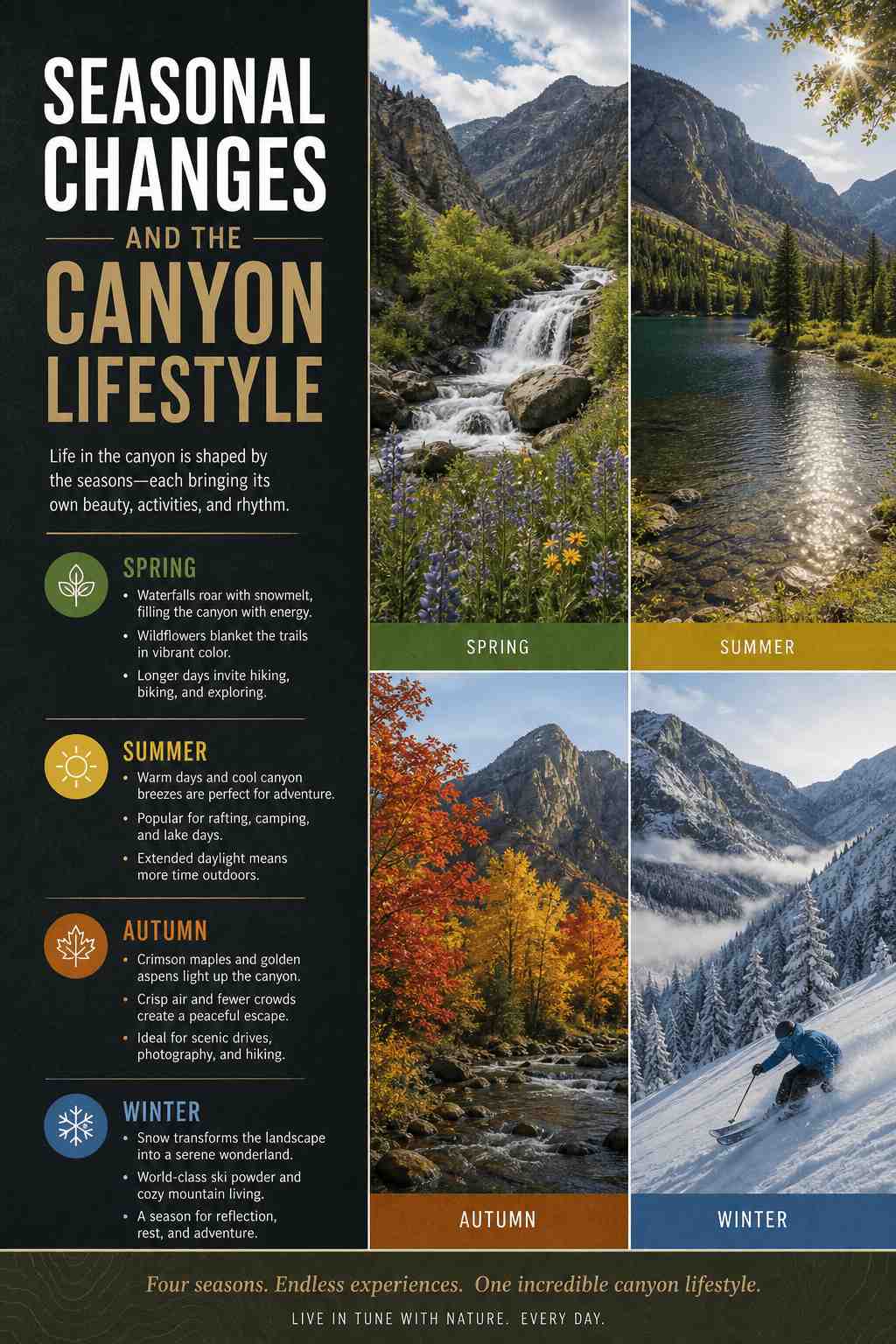
Life in Logan is deeply tied to the seasonal rhythms of the canyon. Each time of year brings a completely new landscape and set of activities.
Spring and Summer
As the mountain snowmelt peaks in May, waterfalls roar down the limestone cliffs and wildflowers blanket the high meadows. Summer brings warm, comfortable days and cool mountain nights – perfect for hiking, rock climbing, and camping at one of the canyon’s many developed campgrounds.
Autumn and Winter
Autumn is perhaps the canyon’s most legendary season. From late September through mid-October, the canyon walls burst into a fiery canvas of crimson maples and golden aspens, attracting travelers from all over the country. When winter arrives, the canyon becomes a snowy paradise for snowmobiling, snowshoeing, and skiing at Beaver Mountain.
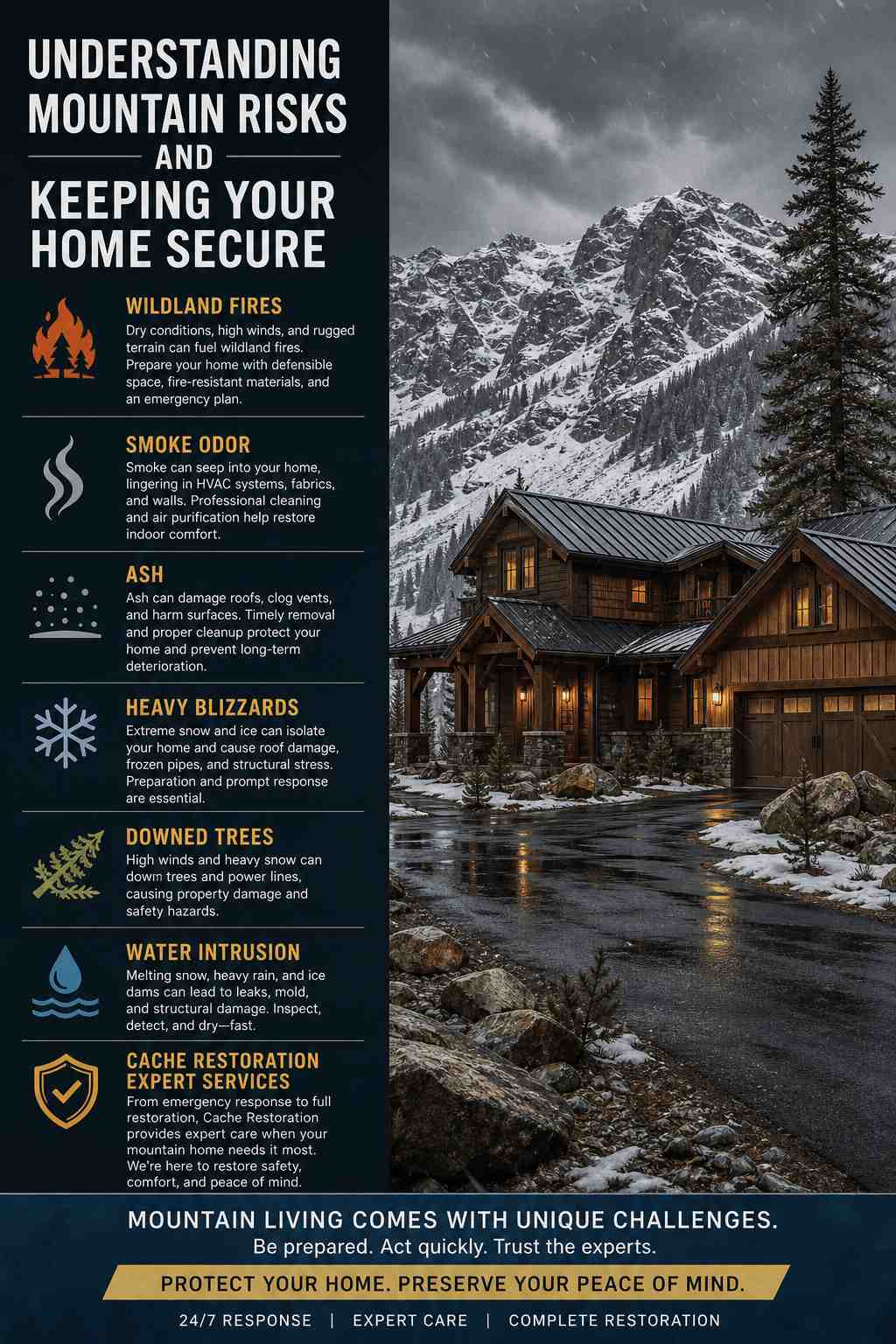
Understanding Mountain Risks and Keeping Your Home Secure
While the proximity to Logan Canyon is a major draw for local homeowners, living near a rugged mountain pass requires an awareness of the power of mountain weather.
In the late summer, hot and dry conditions can lead to wildland fires in the surrounding forests. While a forest fire itself is a serious threat, the drifting smoke from regional fires can settle into the Cache Valley basin, causing heavy smoke odor and ash issues for local homes and businesses.
During the winter and spring, heavy mountain blizzards and rapid snowmelt present different challenges. Severe storms can down large trees, damaging roofs, gutters, and power lines. Intense winter precipitation can also cause water intrusion and structural damage to nearby properties as the snowpack shifts.
When these harsh mountain elements lead to property emergencies, Cache Restoration is always ready to stand by local residents. As trusted local experts in smoke damage cleanup, storm damage repairs, and water extraction, they help families protect their investments and ensure their homes remain safe and dry through every season.
Practical Tips for Visitors and Residents
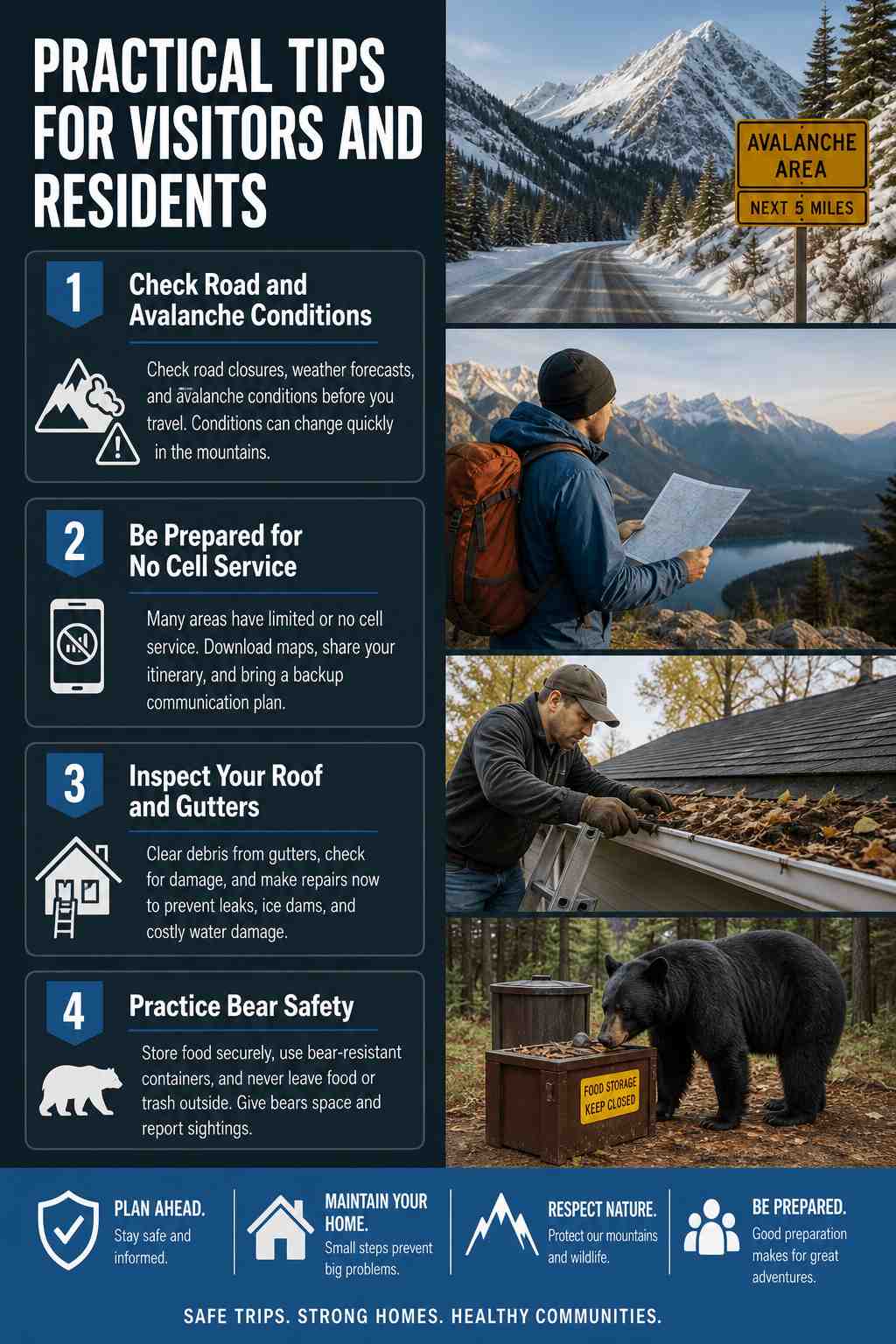
Whether you are planning a weekend road trip or live on Logan’s eastern benches, keep these practical tips in mind:
- Check Road and Avalanche Conditions: Highway 89 is plowed and open year-round, but winter storms can create icy conditions or temporary closures. Always check local road reports before heading up.
- Be Prepared for No Cell Service: Much of Logan Canyon is a dead zone for cellular signals. Let someone know where you are going, and carry emergency supplies in your vehicle.
- Inspect Your Roof and Gutters: Before the heavy winter snows arrive, clean your gutters and check your shingles to prevent ice dams and roof leaks caused by heavy snow accumulation.
- Practice Bear Safety: The Wasatch-Cache National Forest is active black bear country. Keep a clean campsite and store all food in secure containers.
Conclusion
The Logan Canyon Scenic Byway is a true national treasure that defines the rugged, adventurous spirit of Logan, Utah. It is a place where breathtaking beauty is always just a few minutes away, reminding us of the incredible natural landscape we are privileged to share.
Because the mountain weather can change in an instant, keeping local homes and businesses safe from water, storm, or smoke damage is vital. Whenever the elements throw an unexpected challenge your way, Cache Restoration is proud to serve the Logan community as a helpful, expert neighbor, keeping our homes as strong and resilient as the canyon walls.
Frequently Asked Questions
Where is the Logan Canyon Scenic Byway located?
The Logan Canyon Scenic Byway (US Highway 89) begins at the eastern border of Logan, Utah, and stretches 41 miles northeast through the Wasatch-Cache National Forest, terminating at the Bear Lake Overlook above Garden City.
What are the top attractions and stops along Logan Canyon?
Popular highlights include the Wind Caves hiking trail, glacial Tony Grove Lake, fly fishing along the Logan River, skiing at Beaver Mountain Ski Resort, and panoramic vistas at the Bear Lake Overlook.
How high in elevation does US Highway 89 climb through Logan Canyon?
The byway begins at approximately 4,500 feet at the mouth of the canyon near Logan and steadily ascends through dramatic limestone cliffs and aspen groves to its summit elevation of 7,800 feet.
What outdoor activities can visitors enjoy throughout the year in Logan Canyon?
Spring and summer offer hiking, rock climbing, canoeing, fly fishing, and wildflower viewing. Autumn brings world-class foliage tours, while winter offers skiing, snowmobiling, and snowshoeing.
How far is Logan Canyon from Utah State University and downtown Logan?
The entrance to Logan Canyon sits right at the edge of Logan’s eastern bench, placing it just a 5-minute drive from the Utah State University campus and historic downtown Logan.
What risks do seasonal mountain weather events pose to homes on Logan's eastern bench?
Properties near the canyon mouth face wildfire smoke infiltration during dry late summers, heavy snowpack accumulation and roof ice damming in winter, and spring water runoff or storm wind damage.
How can homeowners prevent roof leaks and ice dams during Cache Valley winters?
Homeowners should clear leaves and debris from gutters every autumn, ensure attic spaces are properly insulated to prevent heat loss, and clear downspouts so melting snow drains safely away from foundations.
Who provides reliable storm, smoke, and water damage restoration in Logan, UT?
Cache Restoration proudly serves homeowners, mountain cabin owners, and businesses in Logan and throughout Cache Valley, offering 24/7 emergency water extraction, smoke odor removal, structural drying, and storm damage repairs.